


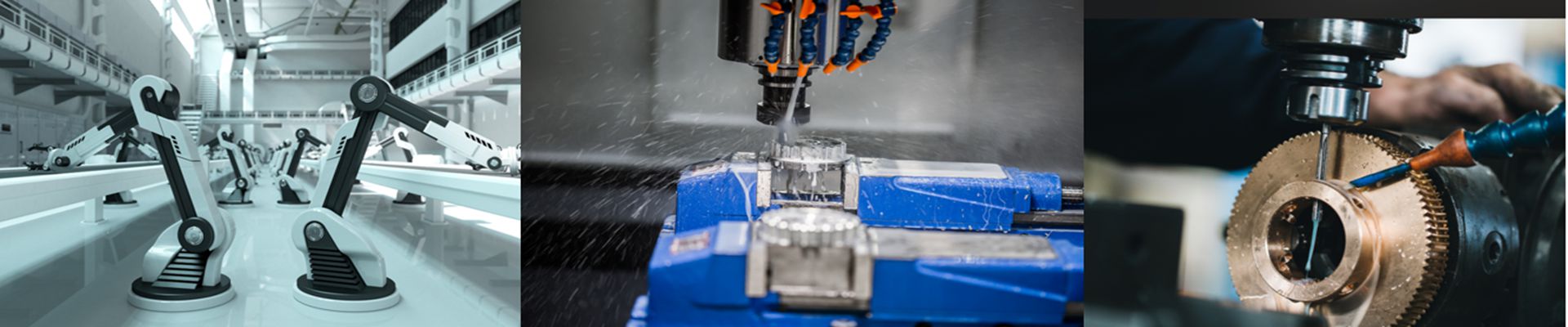


Robotics
Introduction
The robotics industry is undergoing an unprecedented transformation. From humanoid robots that mimic human motion to autonomous mobile robots (AMRs) navigating warehouses, from surgical robots performing sub-millimeter incisions to agricultural robots operating in harsh field conditions — every robotic system depends on precision-engineered metal components that deliver strength, lightweight performance, and micron-level accuracy.
As a specialized manufacturer of custom CNC machining and sheet metal fabrication, we provide the mission-critical components that bring robotic systems to life. Below, we explore how our precision manufacturing capabilities serve the robotics sector across multiple use-case perspectives.
1. Humanoid Robots: The Precision Challenge of Bionic Motion
Humanoid robots represent the pinnacle of robotics engineering, requiring components that combine extreme precision with lightweight durability. A single humanoid robot contains over 40 types of aluminum structural components — including hip joint housings, joint flanges, leg brackets, and head structures — with precision requirements comparable to aerospace manufacturing.Wall thicknesses can be as thin as 1–2 mm with geometric tolerances of 0.005–0.02 mm.
Our CNC machining capabilities support:
-
Joint housings and actuator interfaces – Deep bores in 7075-T6 aluminum requiring tolerances of ±5 µm (±0.005 mm) for hydraulic cylinder integration-
-
Thin-walled structural components – Shoulder and upper arm parts with wall thicknesses down to 1.5 mm, machined without distortion to dimensional precision within ±0.01 mm
-
Titanium structural components – Hip and upper leg parts requiring surface finishes of Ra ≤ 0.2 µm for accurate force measurement on strain gauges-
-
Transmission components – 17-4PH stainless steel drive parts with critical dimensions held to ±0.005–0.01 mm
-
Robot joint bushings – Core components that directly govern positioning accuracy, motion stability, and overall service life-
-
Motor mounting bases, precision flanges, and sensor brackets – Components requiring both lightweight design and structural rigidity-
Why precision matters: In humanoid robots, dimensional errors accumulate along the kinematic chain. A micron-level deviation at the wrist joint amplifies into significant end-effector positioning errors, uneven bearing loads, and increased component wear. Joint assembly clearances must be controlled within 0.008 mm to ensure precise transmission and flexible operation. Our 5-axis CNC machining delivers the micron-level accuracy these applications demand — with tolerances as tight as ±0.005 mm.
2. Surgical & Medical Robotics: Where Precision Is a Matter of Safety
Surgical robots operate at the intersection of engineering and patient care, where a fraction of a millimeter can determine surgical outcomes. These systems demand medical-grade components with materials, sterile surface finishes, and absolute positional reliability.
Our manufacturing solutions include:
-
Surgical robot joint axes – Medical-grade titanium alloy (Ti-6Al-4V ELI) components with runout error controlled within 0.002 mm and bearing clearance within 0.001 mm-
-
Sensor brackets and end-effector housings – Precision-machined from 6061 aluminum, 7050 aluminum, and 4041 stainless steel-
-
Motor housings and bearing assemblies – Components for robotic-assisted surgical devices requiring multi-axis CNC precision-
-
Instrument interfaces and mounting blocks – Parts that enable seamless assembly of complex geometric surfaces-
-
Control enclosures – Sheet metal fabrications that protect sensitive electronics in sterile environments
Case in point: Medical robotics companies rely on our precision CNC machining to produce components that stabilize hand tremors during ENT surgery, with tapped holes and complex geometric surfaces enabling seamless assembly of complete robotic systems. With robotic arm repeat positioning accuracy reaching ±0.01 mm, our components meet the stringent standards required for NMPA certification and deployment in leading hospitals.
3. Industrial & Collaborative Robots (Cobots): Balancing Strength and Agility
Industrial robots and cobots operate in demanding manufacturing environments — welding, material handling, machine tending, and assembly — where components must withstand continuous cyclic loading while maintaining positional accuracy over millions of cycles.
Our CNC machining and sheet metal fabrication capabilities include:
-
Robot arm links and structural housings – Lightweight 7075 aluminum alloy and AL6061-T651 components for 7-axis collaborative robots-
- -
Joint modules and actuator housings – Precision-machined housings that combine motors, reducers, bearings, and sensors into compact motion systems-
-
Motor mounting brackets and base plates – Components with precise hole patterns and flatness specifications for vibration-free operation-
-
End-effector components – Critical parts installed at the end of robotic arms for gripping, welding, and inspection-
-
Gearbox housings, front covers, rear covers, and output shafts – Components that govern positioning accuracy and motion stability-
-
Machine guards and protective covers – Sheet metal fabrications that ensure operator safety in automated cells
The performance relationship: In robotic systems, individual component dimensions are directly traceable to system performance. The roundness of harmonic drive wave generator bearing journals (±0.002 mm) directly determines robot positioning repeatability. The thickness of torque sensor elastic beams (±0.010 mm) directly determines contact force detection accuracy governing cobot safety compliance. This direct, traceable relationship makes precision CNC machining one of the most technically accountable manufacturing relationships in the global robotics supply chain.
4. Autonomous Mobile Robots (AMRs) & AGVs: Durability for Round-the-Clock Operation
Warehouse and logistics robots operate 24/7 in demanding environments. Every chassis plate, drive housing, and sensor bracket must be durable, dimensionally accurate, and production-ready. A misaligned sensor mount means navigation errors; a loose drive housing means costly downtime.
Our components for AMRs and AGVs include:
-
Chassis base plates – AMR and AGV chassis plates machined from aluminum 6061-T6 with flatness within 0.001" (0.025 mm) for stable platform operation-
-
Drive wheel housings – Precision motor housings machined from 7075-T6 aluminum with tight bore tolerances, finished with hardcoat anodize for wear resistance-
-
Sensor brackets and LiDAR mounts – Camera brackets and proximity sensor housings with precise angular alignment for accurate navigation and obstacle avoidance-
-
Battery trays and protective enclosures – Sheet metal fabrications that secure power systems and sensitive electronics-
-
Motor mounting plates and conveyor components – Parts with tight hole patterns and flatness specs for vibration-free operation-
-
Heavy-duty chassis frames and wheel hubs – Engineered from high-tensile materials to withstand shock impacts-
Fleet-ready consistency: When you deploy 100 or 1,000 robots, every part must be identical. Documented fixturing, process control, and CMM inspection ensure fleet-wide consistency.The wheel hub encoder mounting bore (±0.003 mm) directly determines AMR odometry navigation accuracy.
5. End-Effectors & Grippers: The Robot's "Hand"
End-of-arm tooling (EOAT) — the specialized devices attached to the end of a robotic arm — is what enables robots to actually interact with parts and the surrounding environment.These components require complex geometries, lightweight construction, and extreme precision.
Our manufacturing capabilities include:
-
Gripper jaws and mounting interfaces – Parallel gripper jaws, vacuum cup mounting plates, and custom tooling with precision ISO mounting patterns-
-
End-effector housings and brackets – Lightweight, complex-shaped components designed for quick-change tool systems-
-
Connection flanges and positioning components – Precision hole machining with micron-level dimensional control for repeat positioning accuracy-
-
Tooling interfaces – Components holding tolerances of ±0.0005" on ISO 9283 flange bore and locating pin features-
-
Miniature pneumatic manifolds and finger components – Intricate parts for adaptive gripping systems-
The precision imperative: Most end effector drawings look deceptively simple — a backplate, some arms, a few holes. But tolerances are anything but relaxed when you consider tolerance stack-up.Even a tenth of a millimeter deviation can cause a gripper to drop a part or fail to engage properly.
6. Agricultural & Field Robotics: Surviving the Elements
Agricultural robots operate in some of the harshest conditions — dust, moisture, temperature extremes, and continuous vibration. These systems demand corrosion-resistant materials and durable construction.
Our solutions include:
-
Agricultural robot frames – Corrosion-resistant 6061-T6 aluminum with hard-anodize coating for field-deployed systems-
-
Custom drivetrain components – Sprockets, enclosures, and heat sinks machined to fit specific requirements-
-
Chassis and structural components – Lightweight yet durable frames that withstand field conditions
-
Sensor mounts and protective enclosures – Components that shield sensitive navigation and vision systems from environmental exposure
Case in point: Agricultural robotics developers have replaced welded steel frames with pre-anodized milled aluminum frames through our CNC machining services, significantly reducing production time while improving corrosion resistance and weight efficiency.
7. Exoskeletons & Rehabilitation Robotics: Lightweight Strength for Human Interaction
Exoskeletons and rehabilitation robots must be lightweight enough for human wear while strong enough to support loads and precise enough for therapeutic motion control.
Our components include:
INQUIRY
-
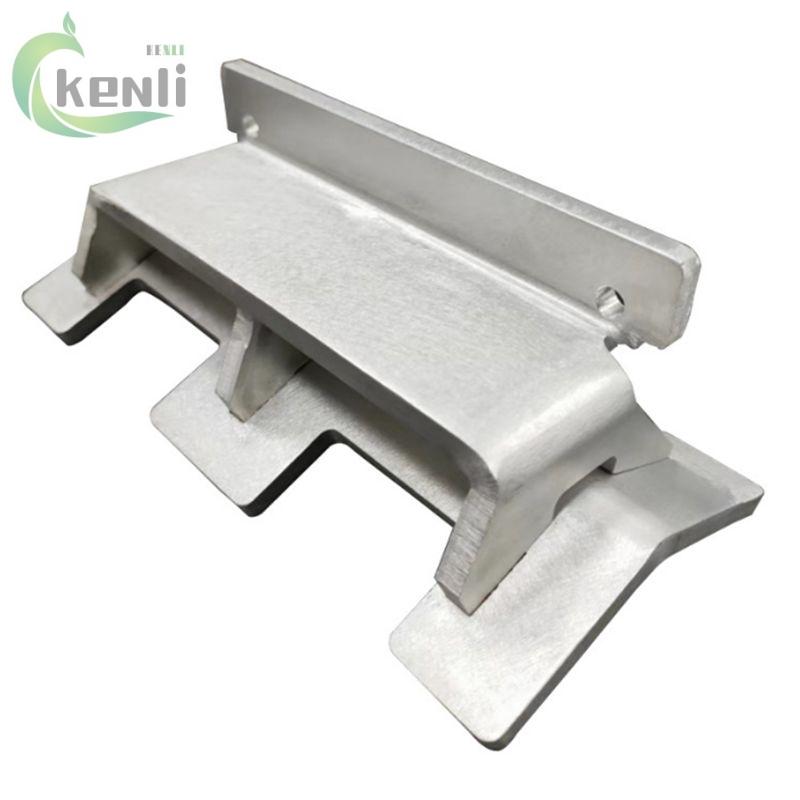
High Quality Precision Cold Rolled Steel Sheet Metal Fabrication
-
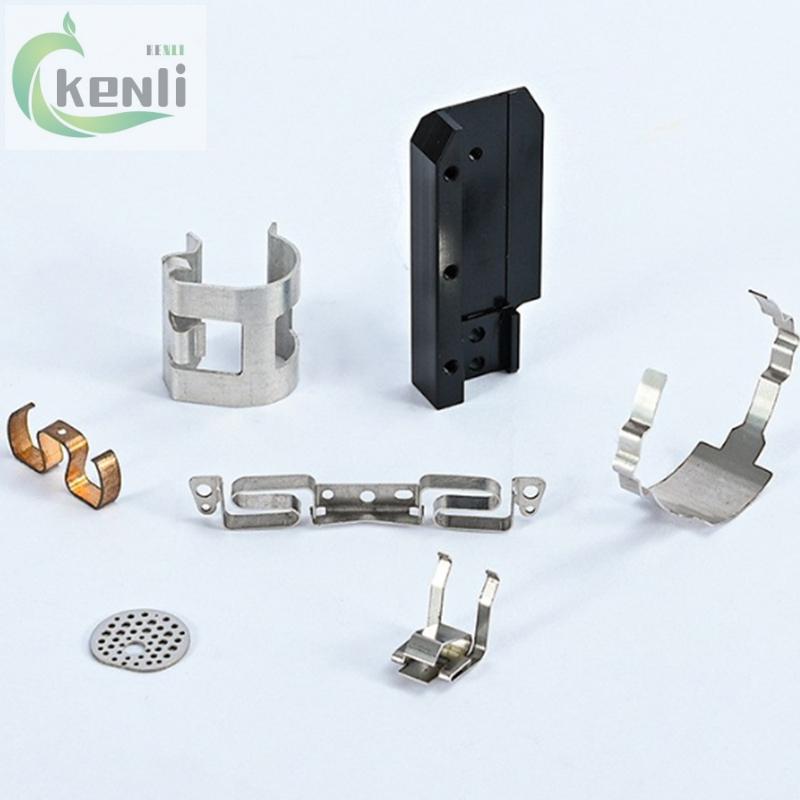
Sheet Metal Bending Galvanized Sheet Laser Cutting Parts
-
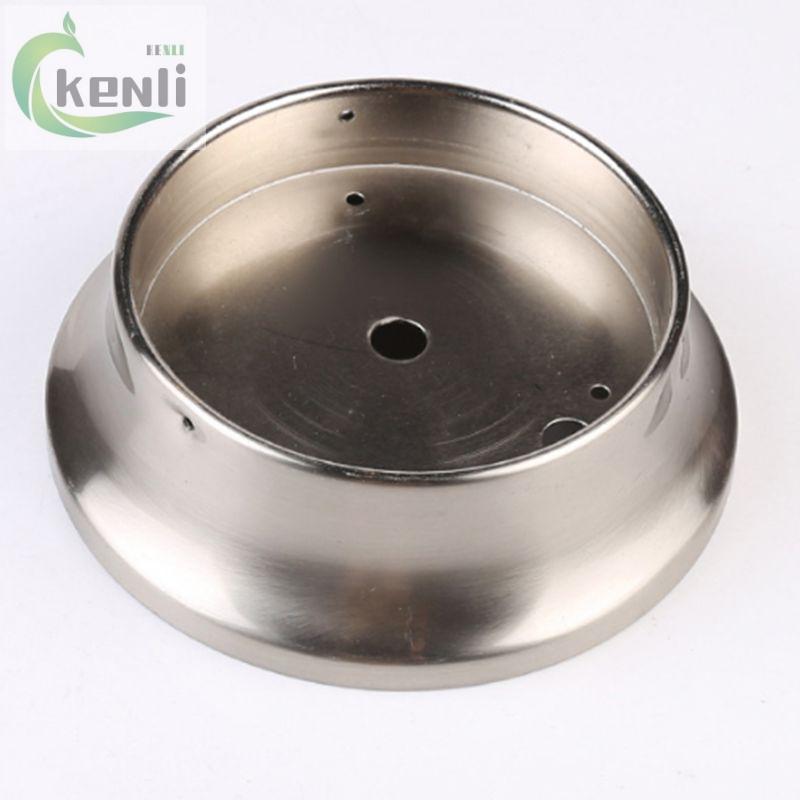
High Deep Drawing Parts Auto Parts Metal Deep Drawn Stamping Parts
-
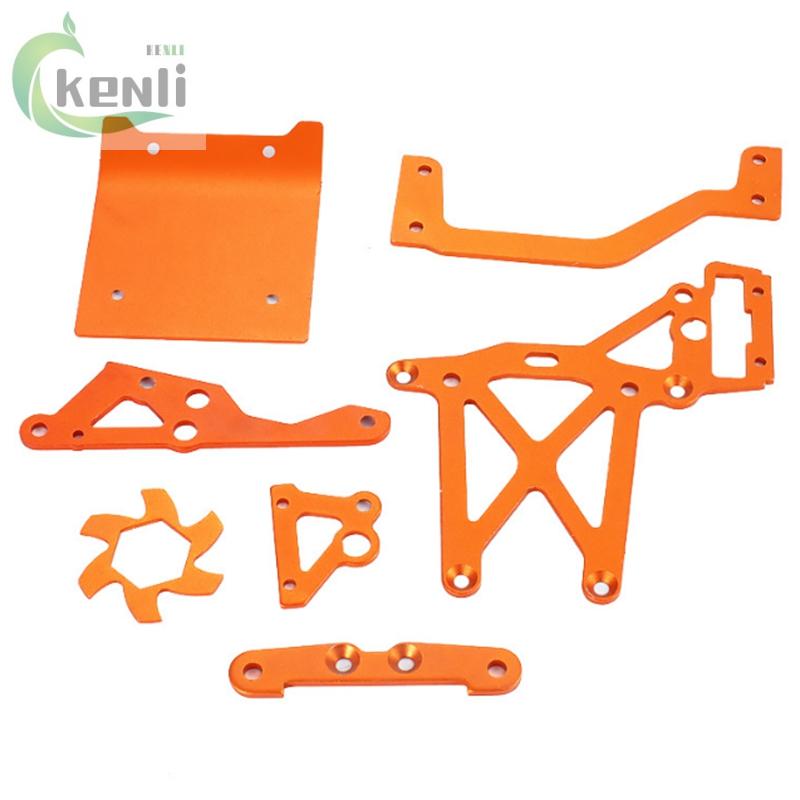
Galvanized Powder Box Enclosure Hardware Metal Stamping Parts Crate China Precision CNC Part
-
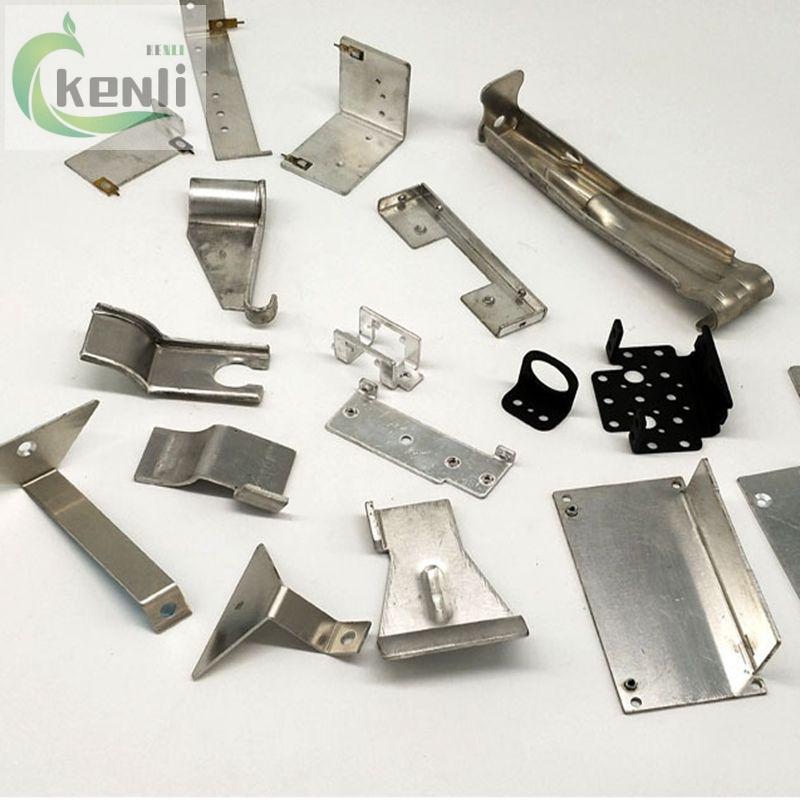
Metal Stamping Parts Precision Metal Stamping Flanges and Pressing Brackets
-
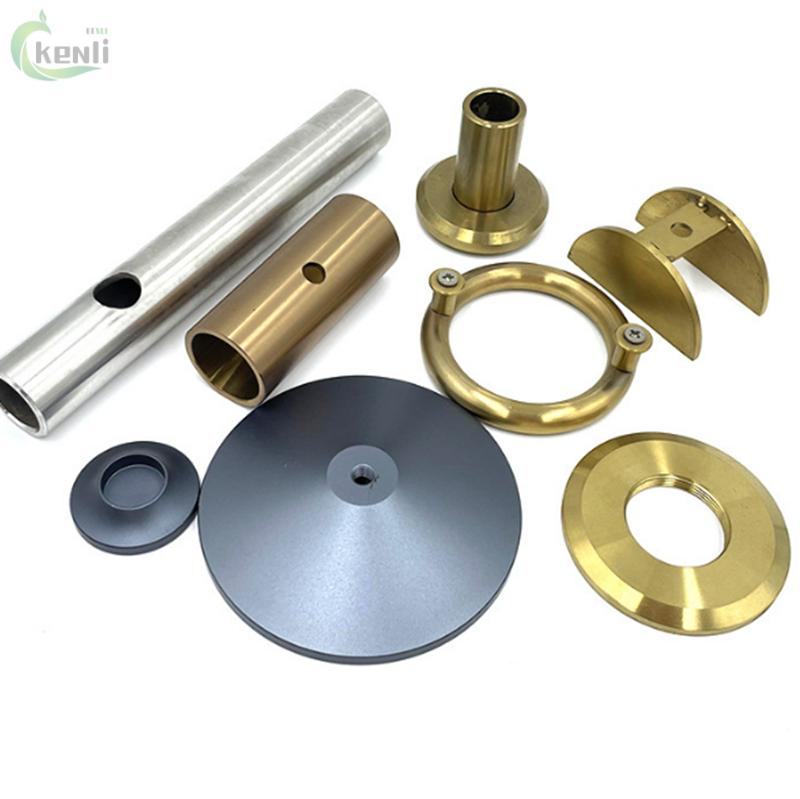
Deep Drawing Metal
-
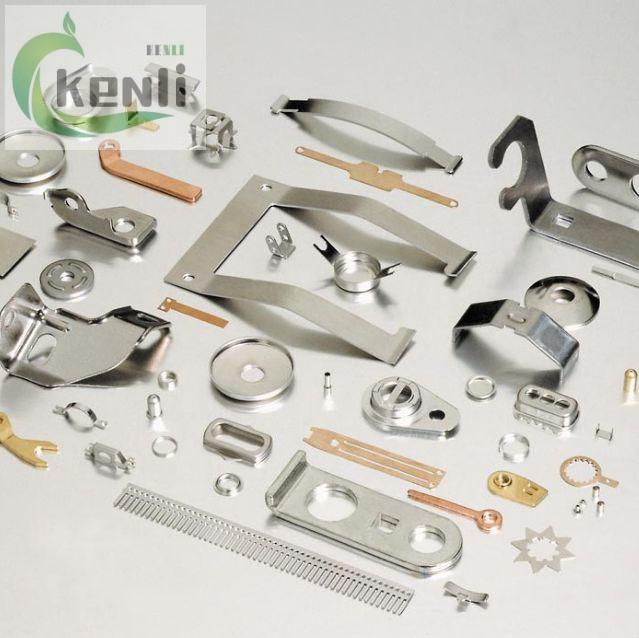
Multi-Position Forming Process Cold Shaping Metal Stamping Parts
- Françai
- Español
- Deutsch
- Română
- العربية
- 한국어
- 日本語
- Italiano
- Português
- Gaeilge
- Dansk
- Čeština
- Русский
- Afrikaans
- Euskara
- Català
- Esperanto
- हिन्दी
- Ελληνικά
- Bahasa Melayu
- Polski
- Српски
- Kiswahili
- ภาษาไทย
- Tiếng Việt
- Türkçe
- Svenska
- Cymraeg
- Slovenčina
- Latviešu
- Malti
- Magyar
- Galego
- ગુજરાતી
- Eesti Keel
- বাংলা
- Shqip
- беларуская мова
- Nederlands
- Tagalog
- ქართული
- Íslenska
- Kreyòl Ayisyen
- Lietuvių
- Norsk
- slovenščina
- தமிழ்
- Українська
- ײִדיש
- اردو
- తెలుగు
- فارسی
- македонски
- ಕನ್ನಡ
- Bahasa Indonesia
- עברית
- Suomi
- Hrvatski
- Български
- Azerbaijani